


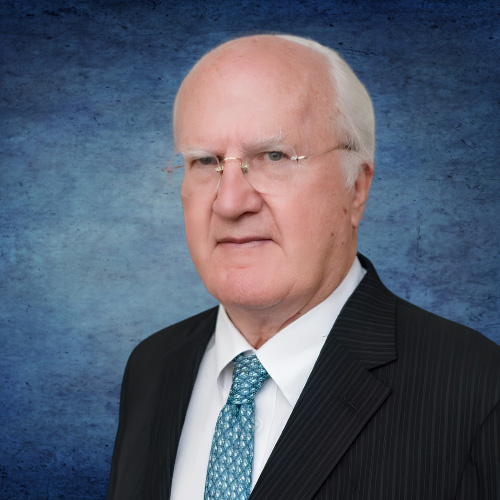
Bruce D. Malkerson, Esq.
Firm Name
Malkerson Gunn Martin LLP
Website
https://www.mgmllp.com/bruce-malkerson-2
Phone number
Bruce Malkerson has over 50 years of experience representing developers and landowners in eminent domain, inverse condemnation, land use, and real estate disputes. He has overseen major development projects, successfully litigated landmark Minnesota cases, and served as a respected mediator in government and landowner condemnation disputes.
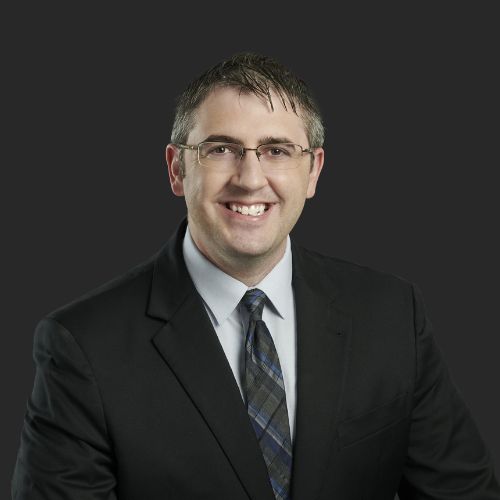
Bryan J. Huntington
Firm Name
Larkin Hoffman
Website
https://www.larkinhoffman.com/bryan-j-huntington
Phone number
Bryan's practice concerns the enforcement of property rights. His clients include developers, landowners, contractors, builders, billboard companies, condominium owners, landlords, and tenants. He has substantial experience representing developers, landowners, and contractors adversarial to governmental entities. He is a Minnesota State Bar Association Certified Real Property Specialist and a qualified neutral for mediation in Minnesota. He is licensed in Florida, Iowa, Minnesota, North Dakota, South Dakota, and Wisconsin.
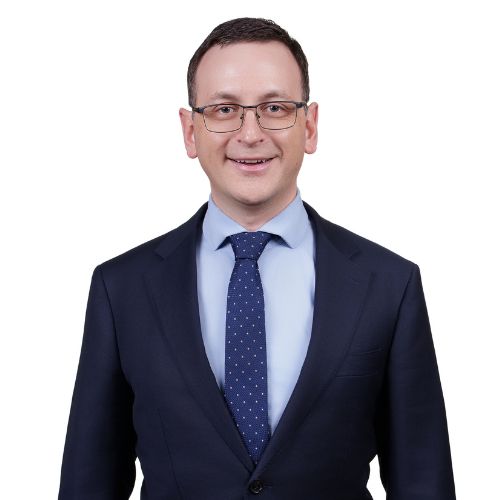
David L. Sienko
Firm Name
DeWitt, LLP
Website
https://dewittllp.com/people/david-l.-sienko
Phone number
David represents landowners and businesses in eminent domain and real estate litigation involving complex issues. He approaches every matter with a practical, results-oriented mindset helping clients manage risk and achieve effective results.
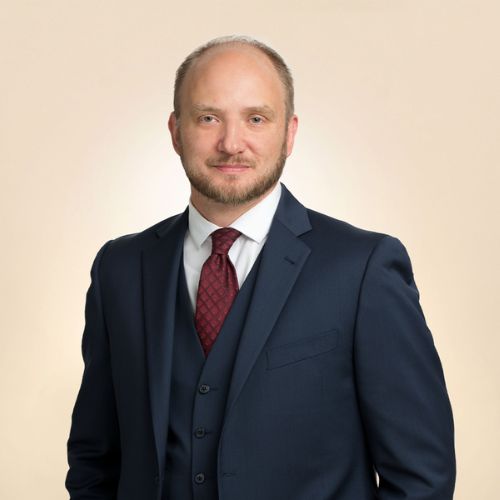
Evan Nelson
Firm Name
Maslon LLP
Website
Phone number
Evan Nelson describes himself as a "death and dirt" lawyer. He represents clients in trust and estate disputes, which often come to a head after a family member has died, and in real estate litigation, including eminent domain, where clients dispute who owns and controls access to "dirt."
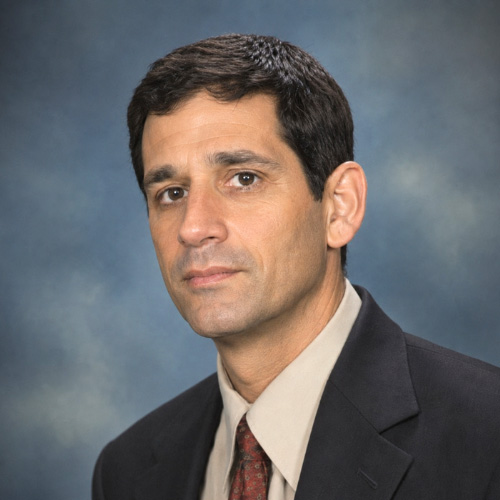
Harry Andrew Frankman, Esq.
Firm Name
Frankman Law Offices PLLC
Website
https://www.frankmanlaw-eminentdomain.com/
Phone number
Harry Andrew Frankman has spent his law career of over twenty years primarily representing landowners in eminent domain matters. Leland J. Frankman, founder & of counsel, has practiced in this field for almost sixty years. We have successfully represented many homeowners, businesses, farmers, and all types of landowners in this complex area of the law. Harry, a graduate of the University of Minnesota Law School (cum laude), has experience with other real property law matters and is licensed in Minnesota and Florida.
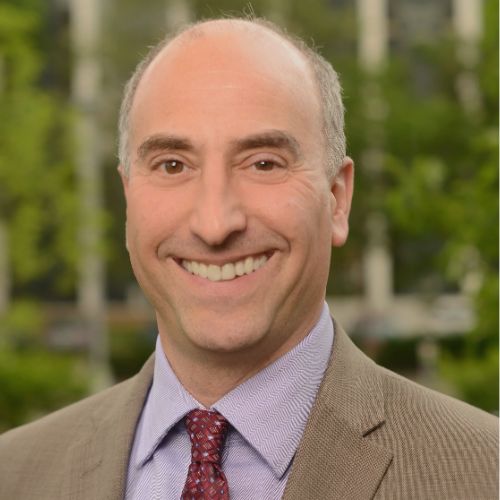
Jim Yarosh
Firm Name
Siegel Brill, P.A.
Website
https://www.siegelbrill.com/jimyarosh
Phone number
Jim's persistence, litigation strategy, and deep understanding of eminent domain law helped secure an unprecedented multi-million-dollar going-concern settlement for a business acquisition case.
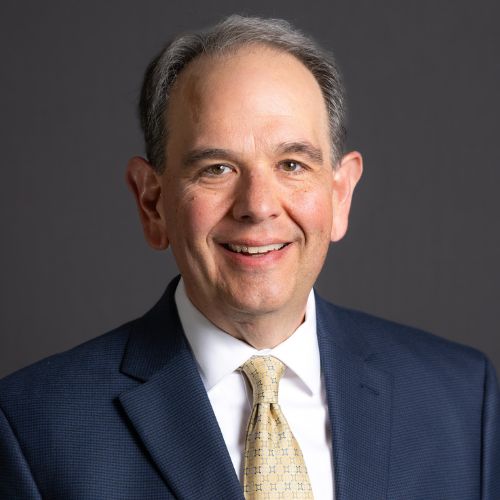
Jon W. Morphew
Firm Name
Morphew Law Office, P.L.L.C.
Website
Phone number
I maintain a focused practice in the areas of eminent domain, relocation benefits law and real estate law. I represent homeowners, tenants, commercial property owners and businesses involving the government acquisition of private property and valuation throughout the State of Minnesota.
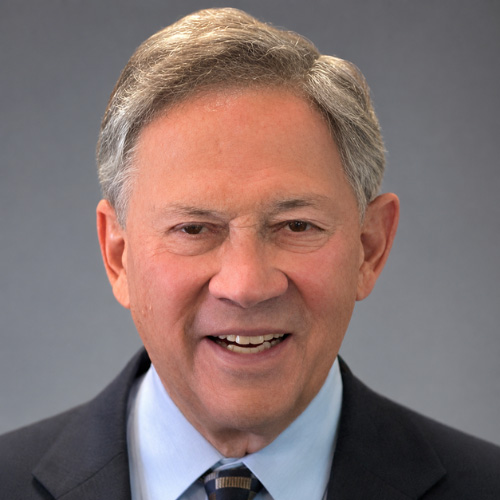
Leland J. Frankman, Esq.
Firm Name
Frankman Law Offices PLLC
Website
https://www.frankmanlaw-eminentdomain.com/
Phone number
Leland J. Frankman has practiced eminent domain law for nearly 60 years, representing both the State of Minnesota and, since 1970, landowners statewide. He has recovered millions for clients, authored and taught eminent domain law, served as a mediator, and continues practicing with his son, Harry Andrew Frankman.
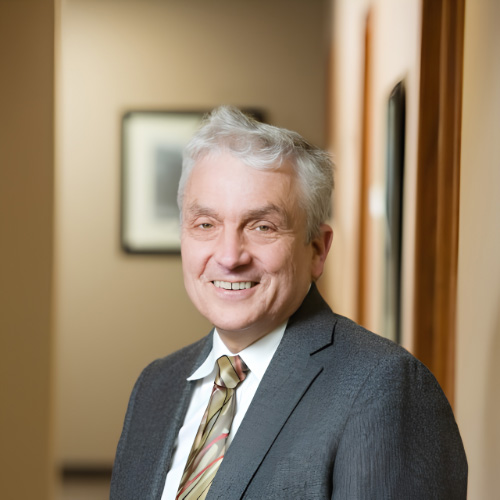
Michael Rajkowski, Esq.
Firm Name
Evenson Decker, P.A
Website
https://www.evensondeckerlaw.com/attorney/rajkowski-michael-c/
Phone number
Mike Rajkowski has over 34 years of legal experience and is a dedicated advocate for Minnesota landowners in eminent domain and condemnation cases. He has represented clients in major projects, including CapX2020, and successfully argued eminent domain cases before the Minnesota Supreme Court.
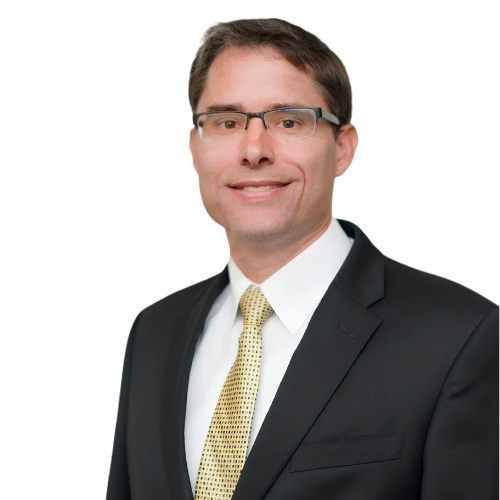
Patrick B. Steinhoff, Esq.
Firm Name
Malkerson Gunn Martin LLP
Website
https://www.mgmllp.com/patrick-steinhoff
Phone number
Patrick Steinhoff is an experienced eminent domain and land use attorney representing clients in condemnation, inverse condemnation, zoning, and real estate litigation. A graduate of the U.S. Military Academy and University of Minnesota Law School, he advocates for property owners in state and federal courts.
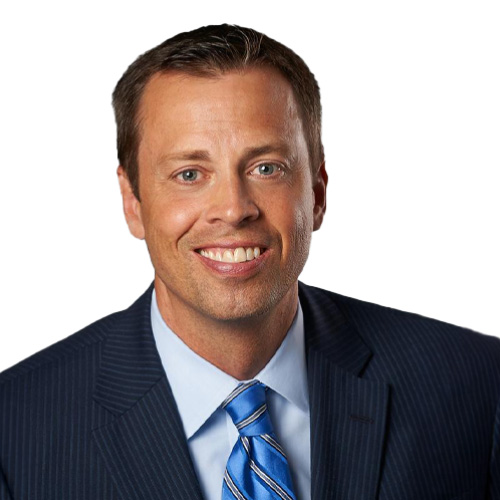
Rob A. Stefonowicz, Esq.
Firm Name
Larkin Hoffman
Website
https://www.larkinhoffman.com/rob-a-stefonowicz
Phone number
Rob Stefonowicz is an accomplished trial and appellate attorney with extensive experience in eminent domain, real estate, land use, and construction disputes. Chair of Larkin Hoffman's Real Estate Litigation Practice, he previously led the Hennepin County Bar Association's Eminent Domain Section and earned Minnesota Lawyer's Attorney of the Year award.
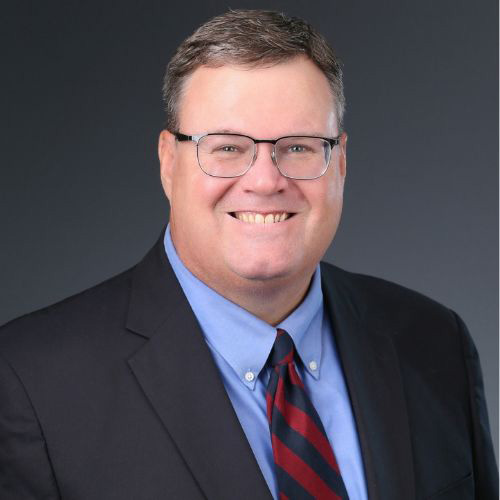
Scott M. Lucas
Firm Name
DeWitt, LLP
Website
https://dewittllp.com/people/scott-lucas
Phone number
Scott Lucas represents clients in real estate matters including transactions, land use disputes, eminent domain proceedings, and title litigation. He is certified by the Minnesota State Bar Association as a Real Property Specialist and has been recognized as a “Super Lawyer.” Scott serves on multiple Bar Association committees and is a frequent speaker on real property law.
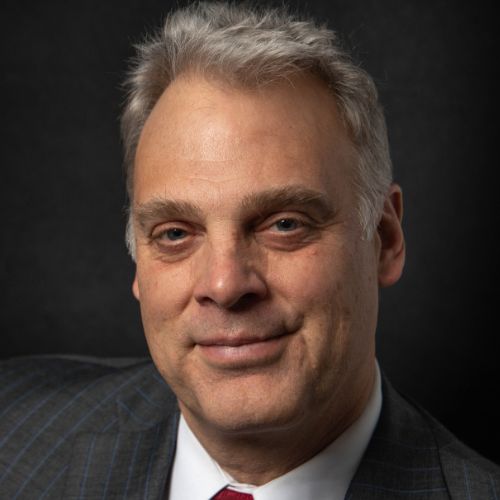
Stuart Alger
Firm Name
Alger Property Law, P.L.L.C.
Website/website page link:
Phone number:
With a client-centered approach and a dedication to achieving optimal outcomes, Alger Property Law is committed to delivering superior legal services that empower our clients to protect and maximize the value of their property. Areas of Practice: Eminent Domain: Protecting your interests when your property is threatened with condemnation under the power of eminent domain. Property Tax and Special Assessment: Ensuring your property is taxed fairly and equitably. Land Use Planning and Zoning: Navigating zoning regulations and land use entitlement process. Development Projects: Providing strategic guidance and legal support in the development process. Property Disputes and Litigation: Protecting your interests and resolve conflicts efficiently. Government Relations and Advocacy: Advocating for your interests before government agencies and authorities to facilitate project approvals and compliance.
Elected to Super Lawyers 2022, 2025